 Skip to content


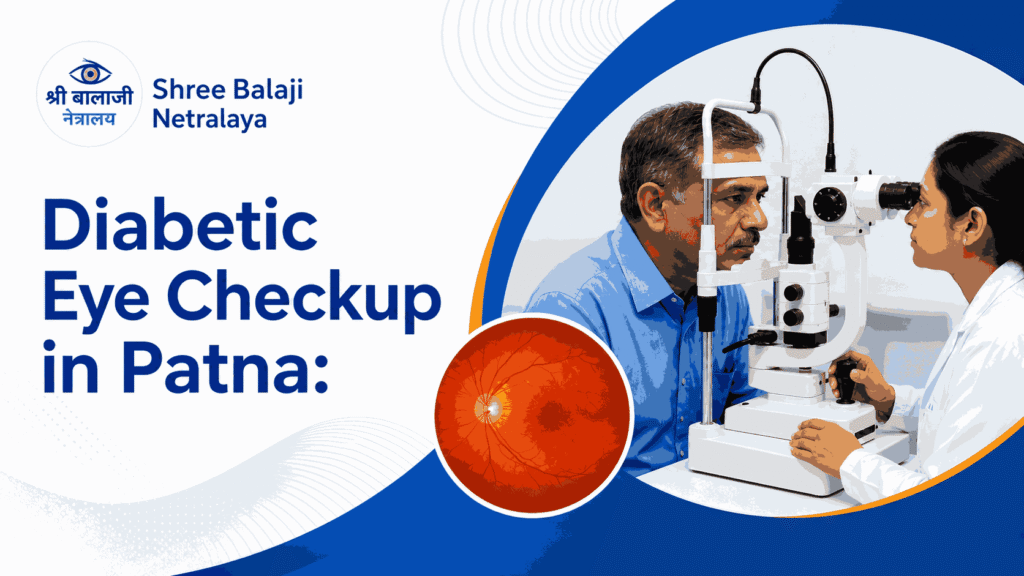
Diabetes is not just a blood sugar issue. It can gradually impact your eyesight as well.
Many think, “Meri nazar to abhi theek hai, eye checkup ki kya zaroorat?” The risk starts here. Diabetic eye issues can develop quietly and early on without the obvious loss of vision or of discomfort.
This is the reason a diabetic eye checkup in Patna is a vision saving measure and not a routine test.
If you or any one of your family members are diabetic, regular retina screenings can help to identify damage on the eyes early, and with timely treatment, loss of vision can be averted.
The Importance of Regular Retina Screening for Diabetics
Diabetics need regular retina screenings because the small blood vessels of the retina can be damaged due to diabetes. This is referred to as diabetic retinopathy.
To make it easy to understand:
- Diabetic retina damage can occur without the person noticing.
- Early stage of diabetic eye disease may show no symptoms.
- A retina screening is necessary to detect the disease.
- vision can be lost if treatment is not rendered due to damage.
- Long term diabetes, high blood pressure, and high blood sugar level can increase the risk.
- Diabetic patients may have clear vision but that does not mean their eyes are healthy.
- Diabetic patients should have a yearly eye checkup.
If you are looking for a diabetic eye screening facility in an Eye Hospital in Patna, make sure they offer a retinal evaluation, vision screening, an eye pressure check, a consult with an eye specialist, and all of this under a proper medical setup.
What Is a Diabetic Eye Checkup?
This special eye examination looks for eye damage due to diabetes.
Blood sugar that is high for an extended time can cause damage to the small blood vessels in the retina. The back of your eye is where the light-sensitive part is located. It is called the retina. It also assists in clear vision.
A diabetic eye checkup may consist of a:
- Vision test
- Eye pressure test
- Fundus exam
- Dilated eye exam
- Retinal photography
- OCT scan (if pertinent)
- Cataract exam
- Glaucoma risk assessment
- Findings consultation
This examination can help the eye specialist determine if there are any changes to your eye’s health due to diabetes.
Why Diabetes Affects the Eyes
When blood sugar is high and not controlled, it can cause damage to the small blood vessels throughout the body. The blood vessels in the eyes are very small, and especially in the retina, they are very delicate.
Diabetes can eventually cause:
- Retinal blood vessel leakage
- Retinal swelling
- Bleeding in the eye
- Vision loss
- Cataracts
- Glaucoma
- Diabetic macular edema
- Abnormal blood vessel growth
The changes can be very damaging, but the patient will not notice any visual symptoms.
This is why frequent eye screenings are very essential.
What Is Diabetic Retinopathy?
Diabetic retinopathy is the eye condition that diabetes can cause, due to damaged blood vessels in the retina.
It is one of the most serious diabetes-related eye problems because it can affect your central vision, and if it progresses to an advanced stage, it may even cause complete and irreversible vision loss.
Typically, diabetic retinopathy develops slowly and conservatively. During the early stage, there may be no substantial symptoms, with the patient experiencing little to no pain, redness, or major changes to vision. However, changes are still occurring, and blood vessels may be weakening within the eye.
This is why patients with diabetes must never wait for symptoms.
Signs and Symptoms Sugar Patients Should Not Ignore
Although early diabetic eye complications may not present with symptoms, some may appear during advanced stages.
You must visit an Eye Hospital in Patna if you experience:
- Blurry vision
- Sudden changes to eyesight
- Black spots or floaters
- Difficulty with reading
- Diminished vision during night
- Straight line appearing to be distorted
- Sudden loss of vision
- Eye pain or pressure
- Frequent changes to glasses
- Vision that fluctuates
Do not be complacent regarding any of the above, especially if you have been diabetic for a many years.
“My Vision Is Clear” — Assuming My Retina Is Healthy, Do I Still Need an Eye Checkup?
The answer is still yes.
Diabetes can cause irreversible damage to your retina, and it can do it even if your Vision is totally Clear. Many patients believe it’s all okay with their Vision and Eyes, but it’s advanced retinopathy in an advanced stage.
Even if we think our Vision is okay, no changes are needed in our daily routine, we should still have a screening to check for small changes that can be observed and detected before the disease progresses.
If you have diabetes, don’t rely solely on your vision to determine whether or not you have an eye problem. You should make an appointment with a retinal specialist.
How Often Should Diabetics Get Their Eyes Checked?
It is encouraged that people with diabetes get routine eye examinations. Diabetic eye exams are conducted once a year for most patients.
However, eye examinations should be conducted more frequently if:
- Diabetes is not controlled.
- Hypertension is present.
- Diabetic retinopathy is already present.
- Patient is a pregnant diabetic.
- Patient has diabetic nephropathy.
- Patient has longstanding diabetes.
- Sudden changes in patient’s vision occur.
- Patient has diabetic retinopathy with macula involvement.
Your Best Eye Doctor in Patna can determine the appropriate schedule based on your eye health.
Who is More Likely to Develop Eye Problems?
Not everyone who has diabetes will develop eye problems, but some people will have these problems and they will be more severe.
You are more likely to develop diabetes related eye problems if you have:
- Diabetes for several years.
- Poorly controlled diabetes.
- Hypertension.
- Hyperlipidemia.
- Kidney disease.
- Smoking.
- Pregnant and have diabetes.
- Diabetes related emphemeral hemocha.
- Family history of eye disease.
Do not delay your retina screening if any of this applies to you.
What is Involved in a Diabetic Retina Screening?
Diabetic retina screenings are usually fairly simple.
First, your vision gets tested. After that, your eye pressure and the front section may get checked. After this, the doctor may dispense eye drops to help dilate your pupils to get a better view of the retina.
The doctor is examining your eye for
- Bleeding
- Swelling
- Leakage
- Weak blood vessels
- Macular changes
- New, abnormal blood vessels
- Cataracts
- Glaucoma
If the doctor sees any concerning symptoms, a more thorough examination may be completed including an OCT or retina scan.
Why You Should Screen Your Retina Instead of Waiting
Waiting for symptoms to show is highly irresponsible since your diabetic eye disease can be progressing at an alarming rate without you even knowing.
By the time your vision has started blurring, it may be way too late and bleeding or swelling will have already occurred in your eye. Though treatment is always a last resort, it is highly preferred to be as preventative as possible.
Screening continuously helps in several ways including:
- Detection of symptoms in their early stages Tiny symptoms that may not have disturbed your vision can help diagnose changes in your retina.
- Assures treatment in a timely fashion Depending on how advanced the changes are, the doctor may prescribe medications or even suggest a laser or an injection to help treat the changes in your retina.
- Ensures long-term vision Timely treatment may help reduce the chance of developing even more concerning conditions that may threaten your vision.
Because of this, you should be addressing your diabetic concerns as a constant part of your day-to-day routine.
Most Common Issues With Diabetic Eyes
Diabetes can lead to several conditions involving your eyes.
Diabetic Retinopathy
This specifically describes damage that occurs to the blood vessels in the retina. If left untreated, this may lead to bleeding, vision problems, and even leakage and swelling.
Diabetic Macular Edema
As fluid accumulates in the central part of the retina, called the macula, which is used for sharp vision, this can make reading and recognizing faces a challenge.
Cataract
Diabetic patients can develop cataracts sooner than non-diabetic patients. Cataracts can make vision cloudy, increase glare, and make clarity of vision difficult.
Glaucoma
In some patients, diabetes can increase the risk of developing glaucoma. Glaucoma affects the optic nerve and can slowly damage peripheral vision.
This is why a comprehensive diabetic eye checkup is more beneficial than checking spectacle power.
Can Diabetic Retinopathy Be Treated?
Yes, especially if treated early, diabetic retinopathy is manageable.
Treatment is determined by the stage of the disease.
Your eye specialist can recommend any of the following:
- Treating diabetes and keeping blood pressure and cholesterol levels in check.
- Monitoring health on a regular basis.
- Laser treatment for the retina.
- Anti-VEGF injections into the eye.
- Medications.
- Surgery for severe cases of eye bleeding.
The treatment helps to preserve vision and slow the progression of the disease.
The outcome of treatment is more beneficial when it is done early.
Why Blood Sugar Control Alone Is Not Enough
While good blood sugar levels are certainly important, it is not enough of a reason to forgo regular screening of the retina.
Even patients regularly taking their diabetes medications can develop eye problems. The duration of diabetes and the levels of blood sugar, blood pressure, and cholesterol, and the health of the kidneys, are all important factors.
This is why diabetes management requires both:
- Regular checkups with the doctor or diabetologist.
- Regular checkups with the eye specialist.
Your eyes need additional care.
Pre-Appointment Checklist for Diabetic Eye Checkup
Treat your hospital visit the same as any other appointment and be equipped with the essentials.
Make sure you have the following:
- Diabetes Reports
- Most recent HbA1c report
- Blood pressure documentation, if available
- List of Current Medications
- Previous eye Reports
- Current Glasses
- Insurance or Third Party Administrator documents, if applicable.
It is advised not to drive after an eye exam involving dilation, as your vision can be blurry for a few hours.
If dilation is on the agenda, it is advised that you come with a family member.
Things to Consider When Choosing an Eye Hospital in Patna for Diabetic Eye Care
Location and basic consultation fees should not be the prioritized factors when deciding on a hospital for diabetic eye care.
An appropriate eye hospital should have experienced doctors, evaluative and diagnostic capability, and offer retina screening with outlined treatment.
An appropriate Eye Hospital in Patna will aid you in determining the following:
- Impacts of diabetes on your retina
- The seriousness of your condition
- The necessity and immediacy of treatment
- Frequency of necessary follow-up appointments
- Lifestyle changes you should implement
- The presence of cataracts, glaucoma or retina disease
If you have questions after your appointment, it is a sign of poor service. You should leave with full understanding and confidence in your treatment, not uncertainty.
Why Choose Shree Balaji Netralaya for Diabetic Eye Checkup in Patna?
Shree Balaji Netralaya, Patna offers eye care services for cataract, retina, glaucoma, diabetic eye care, ICL, squint, and general eye problems.
For the diabetic patient, care is focused on the appropriate evaluation of the eye, guidance on retina screening, and the provision of a service that is easy to understand.
Patients can visit for:
- diabetic eye checkup
- retina evaluation
- cataract screening
- glaucoma checkup
- vision testing
- follow-up care
- diabetic change treatment plan
If you are looking for the Best Eye Doctor in Patna for diabetes eye-related issues, then Shree Balaji Netralaya will be able to provide you with the best consultation and guidance on the issue.
Eye Care for Diabetics Tips to Follow at Home
Daily health control matters and not just eye screening.
Diabetics must consider the following:
- maintain control of blood sugar
- check HbA1c periodically
- control blood pressure
- control cholesterol
- avoid tobacco
- take medications regularly
- maintain a healthy and balanced diet
- exercise as advised by the physician
- adhere to follow-up eye checkups
- follow-up eye doctor immediately in case of sudden vision changes
Protecting your vision can be as simple as changing small day-to-day habits.
Questions to Ask Eye Doctor
Be specific when you ask questions during your diabetic eye check-up. For example, you can ask the following:
- has my diabetes affected my retina?
- do I have diabetic retinopathy?
- is there swelling or bleeding?
- do I need an OCT or a retina scan?
- how often should I have my eyes checked?
- do I need laser or injection therapy?
- is my cataract normal, or is my eye pressure elevated?
- what should I be aware of?
- can my diabetes, today, affect my eyes?
- what precautions should I take?
Asking these questions provides clarity on your current condition.
FAQs: Diabetic Eye Checkup in Patna
1. Why do diabetic patients need retina screening?
Retina screenings are necessary for diabetic patients because elevated blood sugar can injure the blood vessels in the retina. These screenings can help identify changes in the retina before significant vision loss occurs.
2. Can diabetic retinopathy happen without symptoms?
Yes. Diabetic retinopathy can begin in an asymptomatic and painless fashion. This is why it is important to have regular eye screenings, even when vision is perceived to be normal.
3. How often should sugar patients visit an eye doctor?
Most diabetic patients should have an extensive eye exam once a year. Other patients may require more frequent exams based on sugar control, the condition of the retina, pregnancy, blood pressure, and pre-existing conditions of the eye.
4. Is blurry vision always due to diabetic retinopathy?
No. Blurred vision can also be the result of developing cataracts, changing prescription, dry eyes, fluctuating blood sugar, glaucoma, and other issues with the retina. The cause must be determined through an eye exam.
5. Can diabetic eye damage be reversed?
There are some changes that can be managed in diabetic patients if treated early. However, more advanced changes may not be completely reversible. The best approach is to have early detection and treatment.
6. Which doctor should I visit for diabetic eye problems?
You should visit a qualified eye specialist or a retina specialist. If you are looking for the Best Eye Doctor in Patna, you should consider a doctor who can adequately assess the state of the retina and provide recommendations based on your case of diabetes.
7. Is diabetic eye checkup painful?
No, diabetic eye checkup is almost always painless. Patients may have eye drops to dilate the pupil, and may have blurry vision for a few hours after the test.
8. Can diabetes cause cataract?
Yes, diabetes is one of the causes of increased cataract risk. Some patients may even develop cataract at early age due to diabetes. This is another reason to do a complete diabetic eye check.
9. Where can I get diabetic eye checkup in Patna?
You can get your diabetic eye checkup, retina assessment, cataract screening, glaucoma check, and receive treatment options at Shree Balaji Netralaya, Patna.
Final Words
The effects diabetes can have on your eyes may go unnoticed because your vision can feel completely normal. However, your retina may be undergoing early changes.
This is why timely diabetic eye checkup is one of the best ways to make sure you don’t lose your sight.
If you have diabetes, don’t wait for the symptoms of sudden eye concerns like blurry vision and black spots. Schedule a retina check to see how your eyes are doing.
You can go to Shree Balaji Netralaya, a well-known Eye Hospital in Patna, for diabetic eye care, retina evaluation, and complete eye checkup, and get professional advice by a qualified eye specialist.


